Bellaire’s Ultimate Checklist for DIY HVAC and Duct Maintenance
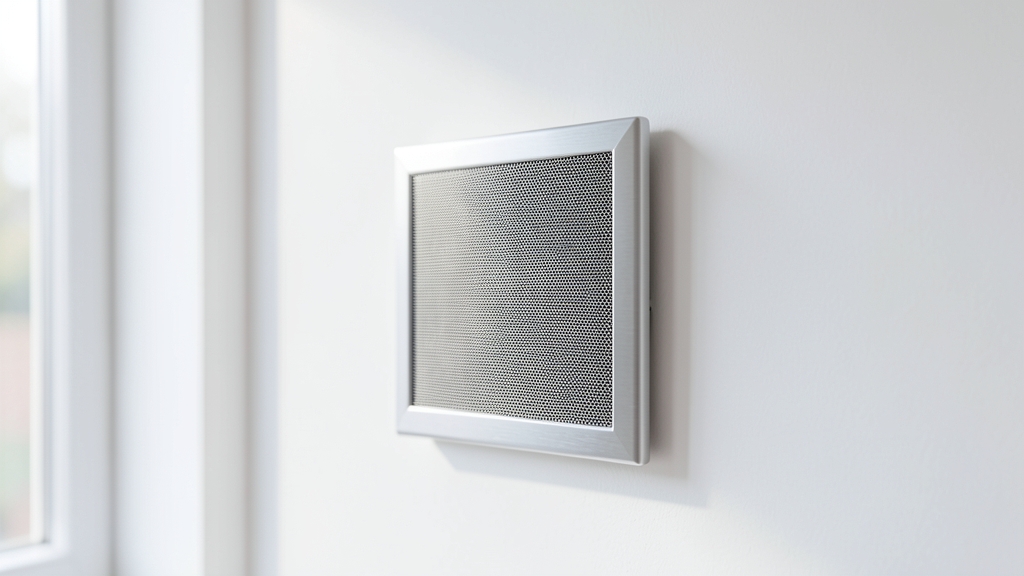
Your HVAC system works overtime in our humid Texas climate, and neglected ductwork can circulate dust, allergens, and even mold throughout your home. With a few tools and our field-tested checklist, you can tackle basic maintenance like a pro—and know exactly when to call in our team for deeper air duct cleaning or coil service.
Why Bellaire Homes Need Regular Duct Attention
Our area’s high humidity and frequent AC use create ideal conditions for dust buildup and microbial growth in ductwork. Without maintenance, these contaminants recirculate every time your system kicks on.
Poorly sealed or dirty ducts also force your HVAC to work harder, shortening its lifespan and spiking energy use. That’s why West University Place and Southside Place neighbors often see us for coil cleaning and duct treatments during peak seasons.
Signs Your Ducts Need More Than a DIY Touch
Visible mold on vents or inside ductwork is a red flag—this requires professional mold and mildew treatment, not just surface cleaning. Persistent musty odors often mean hidden growth deeper in the system.
Uneven airflow or rooms that won’t cool could signal blocked ducts or crushed flex lines. If you notice these, it’s time for a thorough inspection, possibly including indoor air quality testing.
Using a household vacuum or improper tools can dislodge contaminants and spread them further. Leave mold or heavy debris to professionals with HEPA-equipped equipment.
DIY Duct Maintenance Tools You Actually Need
A high-quality vacuum with a long hose attachment is essential for reaching deep into vents. Add a soft-bristle brush to loosen dust without damaging duct linings.
A screw gun or nut driver helps remove vent covers safely. For tighter spaces, a flexible inspection mirror or a smartphone with a borescope camera can reveal hidden buildup.
| Task | DIY Tool | Pro Equipment |
|---|---|---|
| Surface dust removal | Vacuum + brush | HEPA negative air machine |
| Mold inspection | Borescope camera | Industrial fiber-optic scope |
| Duct sealing | Mastic tape | Aeroseal duct sealing system |
| Deep cleaning | Limited by access | Rotary brushes + air whip |
Step-by-Step: Cleaning Supply and Return Vents
Start by turning off your HVAC at the thermostat and breaker. This prevents dust from blowing back into the system while you work.
Remove vent covers and soak them in warm, soapy water. Use your vacuum’s brush attachment to clean the first few feet of duct—this is as far as most DIYers should safely go.
For painted or stuck vent covers, a plastic putty knife can help pry them loose without damaging walls. Avoid metal tools that can scratch or dent.
Air Filter Basics: The Unsung Hero of Duct Health
A clogged filter restricts airflow, forcing your system to bypass the filter and pull dust directly into the ductwork. In Bellaire’s allergy-heavy seasons, we recommend checking filters monthly.
Upgrade to a MERV 8–13 filter for better particulate capture, but avoid overly restrictive filters unless your HVAC is designed for high static pressure. For homes near the Texas Medical Center, where air quality is critical, consider adding UV light treatment.
When to Call a Pro: Beyond the DIY Scope
If your ducts have never been professionally cleaned, or if you’ve renovated your home recently, construction dust can be deeply embedded. Our team uses rotary brushes and compressed air tools to dislodge debris without damaging ductwork.
For commercial properties in Meyerland or Braes Heights, or homes with complex duct layouts, professional cleaning ensures compliance with industry standards and improves system efficiency.
Dryer Vent Cleaning: The Overlooked Fire Hazard
Lint buildup in dryer vents is a leading cause of house fires. Unlike ducts, these vents are often accessible and can be cleaned with a vent brush kit and a drill.
If your dryer takes longer than usual to dry clothes, or if the vent flap doesn’t open fully, it’s time for a cleaning. For multi-story homes, our team can handle hard-to-reach vents safely.
Dryer Vent Safety Check
- Inspect vent flap for lint buildup monthly
- Clean the lint trap after every load
- Check for hot, humid air near the vent outlet
- Ensure the vent path is unobstructed and straight
How to Inspect Your Ductwork for Hidden Issues
A quick visual and physical inspection can reveal problems before they worsen.
- 1Check for Visible Dust or Debris
Remove vent covers and shine a flashlight into the ducts. Look for thick dust layers or debris blocking the path.
- 2Test Airflow at Each Vent
Turn on the HVAC and hold a tissue near each vent. Weak airflow may indicate a blockage or duct collapse.
- 3Listen for Unusual Noises
Whistling or rattling sounds can signal loose duct sections or damaged flex lines. These often require professional sealing.
- 4Smell for Musty Odors
Persistent musty smells when the HVAC runs suggest mold or mildew. This requires professional treatment, not just cleaning.
- 5Inspect Duct Seams and Joints
Look for gaps or disconnected sections in accessible areas like basements or attics. Use mastic tape to seal minor leaks temporarily.
Frequently Asked Questions
How often should I have my air ducts professionally cleaned in Bellaire?
For most homes, we recommend professional air duct cleaning every 3–5 years. However, if you have pets, allergies, or recent renovations, you may need it more frequently. Request a quote to assess your system’s condition.
Can DIY duct cleaning damage my HVAC system?
Yes, if not done carefully. Improper tools or techniques can dislodge debris into the blower motor or evaporator coil, leading to costly repairs. Stick to surface cleaning and leave deep cleaning to professionals.
What’s the difference between duct cleaning and coil cleaning?
Duct cleaning focuses on removing debris from your ductwork, while coil cleaning targets the evaporator and condenser coils in your HVAC system. Both are critical for efficiency, but coil cleaning often requires specialized equipment and chemicals.
Do homes in West University Place have unique duct maintenance needs?
Homes in West University Place, like much of Bellaire, often have older ductwork that may not meet modern efficiency standards. Regular inspections can catch leaks or deterioration early, especially in historic homes with unique layouts.
Is UV light treatment worth it for Bellaire homes?
UV light systems can significantly reduce mold, bacteria, and viruses in your ductwork, which is especially valuable in our humid climate. They’re a great add-on for homes with allergy sufferers or near high-traffic areas like the Texas Medical Center.
How do I know if my ducts are properly sealed?
Signs of poor sealing include uneven temperatures between rooms, higher energy bills, or visible gaps at duct joints. A professional can perform a duct leakage test to confirm and recommend solutions like Aeroseal or manual sealing.