Legionella Risk in Your HVAC: How Neglected Ducts Threaten Bellaire Homes
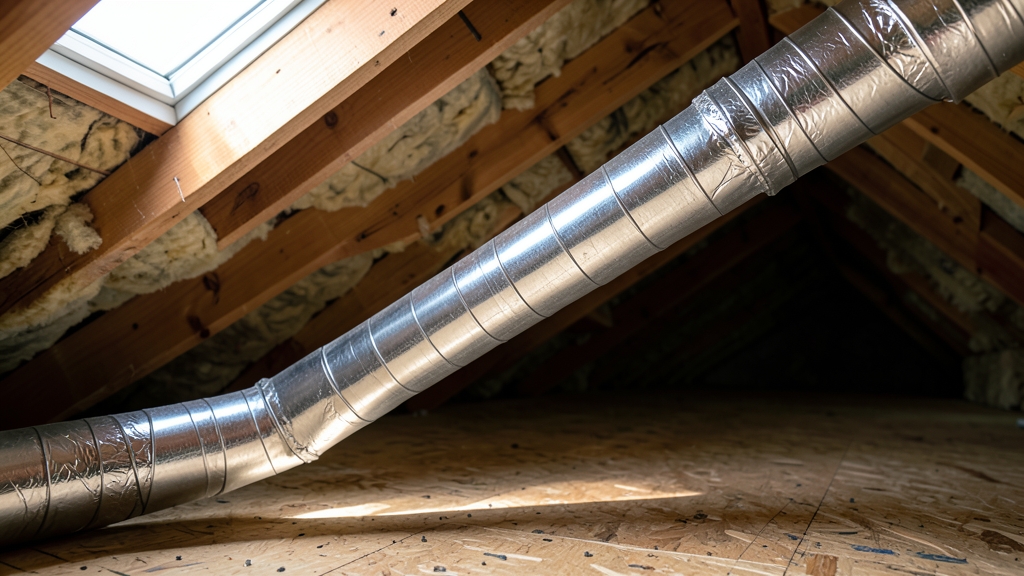
Legionella isn’t just a concern for large buildings—it can take root in residential HVAC systems, especially in humid regions like ours. Neglected ducts, stagnant water, and organic debris create the perfect breeding ground for this dangerous bacteria. We’ve seen it firsthand in Bellaire homes with older systems or poor maintenance habits.
What Is Legionella and Why Does It Matter in HVAC Systems?
Legionella is a gram-negative bacteria that thrives in warm, stagnant water—conditions often found in HVAC condensate pans, drain lines, and even damp duct insulation. When aerosolized through vents, it can cause Legionnaires’ disease, a severe pneumonia-like illness.
In residential settings, the risk is lower than in large commercial systems but not negligible. Poorly maintained ducts in Bellaire’s humid climate can harbor the bacteria, especially if moisture isn’t controlled.
How Legionella Enters and Spreads Through Your Ductwork
The bacteria typically enters HVAC systems via water sources: condensate pans, humidifiers, or even outdoor air intakes near standing water. Once inside, it colonizes biofilms on duct surfaces, coils, or insulation.
Your system’s airflow then distributes contaminated droplets or dust particles throughout the home. In Bellaire, frequent AC use in summer creates constant moisture—ideal for Legionella proliferation if maintenance lags.
Evaporator coils, condensate drain pans, and fiberglass duct liners are prime Legionella habitats. If these components stay wet, the risk climbs sharply.
Signs Your Bellaire Home Might Be at Risk
Musty odors from vents often signal microbial growth, including Legionella. Other red flags: visible mold near registers, excessive dust buildup, or unexplained respiratory issues among household members.
Homes in West University Place or Meyerland with older systems or frequent humidity spikes should pay extra attention. Even newer builds aren’t immune if filters are neglected or coils aren’t cleaned.
Legionella vs. Other Duct Contaminants: What’s the Difference?
Not all duct issues involve Legionella. Mold spores, dust mites, and pet dander are common but less acute. Legionella, however, poses a direct health threat and requires targeted remediation.
| Contaminant | Health Risk | Source |
|---|---|---|
| Legionella bacteria | Legionnaires’ disease, Pontiac fever | Stagnant water in coils, pans, or ducts |
| Mold spores | Allergies, asthma, respiratory irritation | Moisture in ductwork or insulation |
| Dust mites | Allergic reactions, asthma | Accumulated dust in ducts and filters |
| Pet dander | Allergies, respiratory issues | Airborne particles from pets |
Why Bellaire’s Climate Increases Legionella Risks
Our hot, humid summers mean HVAC systems run almost nonstop. That constant cooling creates condensation—and if drain lines clog or pans overflow, standing water invites Legionella.
Neighborhoods like Southside Place or Braes Heights, with dense tree cover and older homes, often face higher indoor humidity. Without proper ventilation or dehumidification, ducts stay damp longer.
Run your HVAC fan periodically even in mild weather to reduce moisture buildup. A simple timer can prevent the stagnant conditions Legionella loves.
The Role of Professional Duct Cleaning in Legionella Prevention
Regular air duct cleaning removes the organic matter Legionella feeds on. Our team uses HEPA vacuums and agitation tools to dislodge biofilms from duct walls, coils, and plenum boxes.
For Bellaire homes, we often pair duct cleaning with HVAC coil cleaning and condensate pan treatment. In severe cases, UV light sanitization or mold-inhibiting treatments may be recommended.
When to Consider Additional Services Beyond Basic Cleaning
If Legionella is suspected, indoor air quality testing can confirm its presence. We also inspect for damaged duct insulation, which can trap moisture and harbor bacteria.
Commercial duct cleaning standards (like NADCA’s) apply to residential jobs too. For homes near the Texas Medical Center, where air quality is critical, we often add sanitization steps.
Enhanced Protection Steps
- Schedule annual duct inspections, especially if humidity is high
- Replace fiberglass duct liners with smooth, non-porous materials
- Install UV-C lights in the HVAC system to inhibit microbial growth
- Use high-MERV filters (but ensure your system can handle the airflow resistance)
How to Reduce Legionella Risk in Your HVAC System
Proactive steps can dramatically lower the chances of Legionella taking hold in your ducts.
- 1Inspect and Clean Condensate Drains
Check drain pans and lines monthly for clogs or standing water. Use a vinegar solution to flush and disinfect.
- 2Maintain Consistent Airflow
Ensure all vents are open and unobstructed. Restricted airflow can lead to moisture pockets where bacteria thrive.
- 3Upgrade to High-Efficiency Filtration
Use a MERV 8–13 filter to capture more airborne contaminants. Change it every 1–3 months, depending on usage.
- 4Control Indoor Humidity
Keep humidity below 60% with dehumidifiers or whole-house ventilation. Aim for 30–50% for optimal comfort and safety.
- 5Schedule Professional Duct Cleaning
Have your ducts inspected and cleaned every 3–5 years—or sooner if you notice odors, mold, or health symptoms. Request a quote to assess your system’s needs.
Frequently Asked Questions
Can Legionella grow in my Bellaire home’s ducts even if I change the filter regularly?
Yes. Filters catch particles but don’t address moisture or existing biofilms in ducts, coils, or drain pans. Legionella thrives in damp, organic-rich environments, so regular cleaning and humidity control are key.
How do I know if my HVAC system has Legionella?
You can’t see Legionella without testing. Signs like musty smells, visible mold, or unexplained respiratory issues warrant professional indoor air quality testing. We use lab analysis to confirm its presence.
Are newer homes in Bellaire less at risk for Legionella?
Not necessarily. While newer systems may have better drainage, poor installation or neglected maintenance can still create ideal conditions. Even modern ductwork can harbor bacteria if moisture isn’t controlled.
Does duct cleaning remove Legionella completely?
Professional cleaning removes the organic matter Legionella feeds on, significantly reducing risk. For active infestations, additional sanitization (like UV treatment or chemical disinfectants) may be needed.
What’s the difference between Legionnaires’ disease and Pontiac fever?
Both are caused by Legionella. Legionnaires’ disease is a severe pneumonia, while Pontiac fever is a milder, flu-like illness. Both highlight the importance of addressing bacterial growth in HVAC systems.
Should I be concerned about Legionella if I live near the Texas Medical Center?
Homes near high-traffic areas like the Medical Center may have more airborne contaminants. While Legionella risk isn’t inherently higher, proactive HVAC maintenance is especially important to protect indoor air quality.